What Is ULV Spraying?
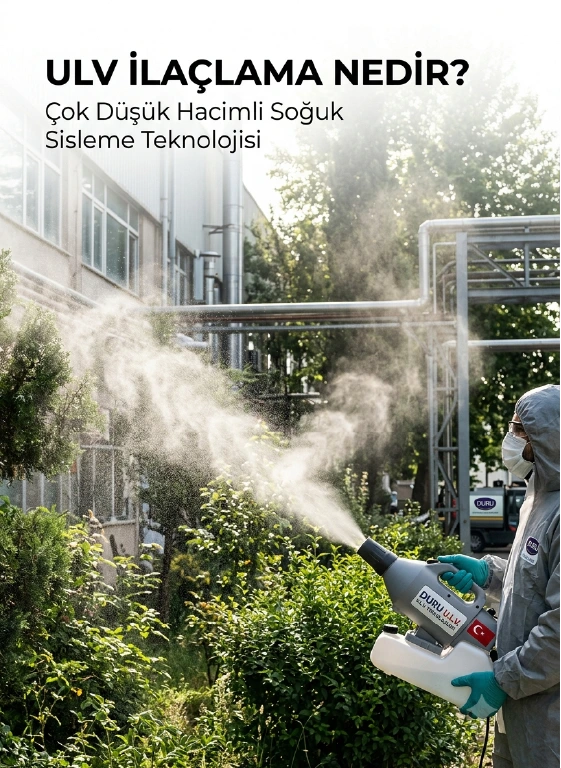
ULV spraying means Ultra Low Volume: applying insecticide or disinfectant as very fine droplets so a small liquid volume covers a large area. The method is widely used by municipalities and public-health agencies for vector control (mosquitoes, flies, and similar pests).
How Does a ULV Machine Work?
A ULV unit breaks liquid into droplets typically between 5 and 50 microns using high airflow. Those particles stay airborne longer, drift into target zones, and reach corners conventional sprays often miss. Droplet size can be tuned—finer for flying mosquitoes, larger for heavier pests such as houseflies.
What Is Cold Fogging? How Does It Differ from ULV?
Cold fogging is closely related to ULV: liquid is atomized mechanically (air or hydraulic pressure) without heat, so the active ingredient is not degraded. Thermal fogging vaporizes liquid with heat and creates a dense visible smoke. Thermal fogging can raise fire risk, harm plants, reduce visibility, and leave fuel residues. Cold ULV produces a clearer mist and is generally kinder to operators and the environment.
Five Core Advantages of ULV Spraying
- Lower chemical use: Ultra-low volume covers more area with less product.
- Range and even coverage: Strong airflow carries mist farther with more uniform deposition.
- Adjustable microns: Match droplet size to the target pest.
- Lower environmental load: Less chemical and often lower energy use per hectare treated.
- Broad use cases: Homes, greenhouses, open spaces, hospitals, and transit fleets.
Where Are ULV Machines Used?
ULV is used for municipal street programs, greenhouse and field pest control, healthcare disinfection, vehicle hygiene, and industrial facilities. Duru ULV manufactures vehicle-mounted, greenhouse, backpack, and handheld systems—request a quote via the quote form.
