
Behind “The Truck Passed—But Flies Remain”
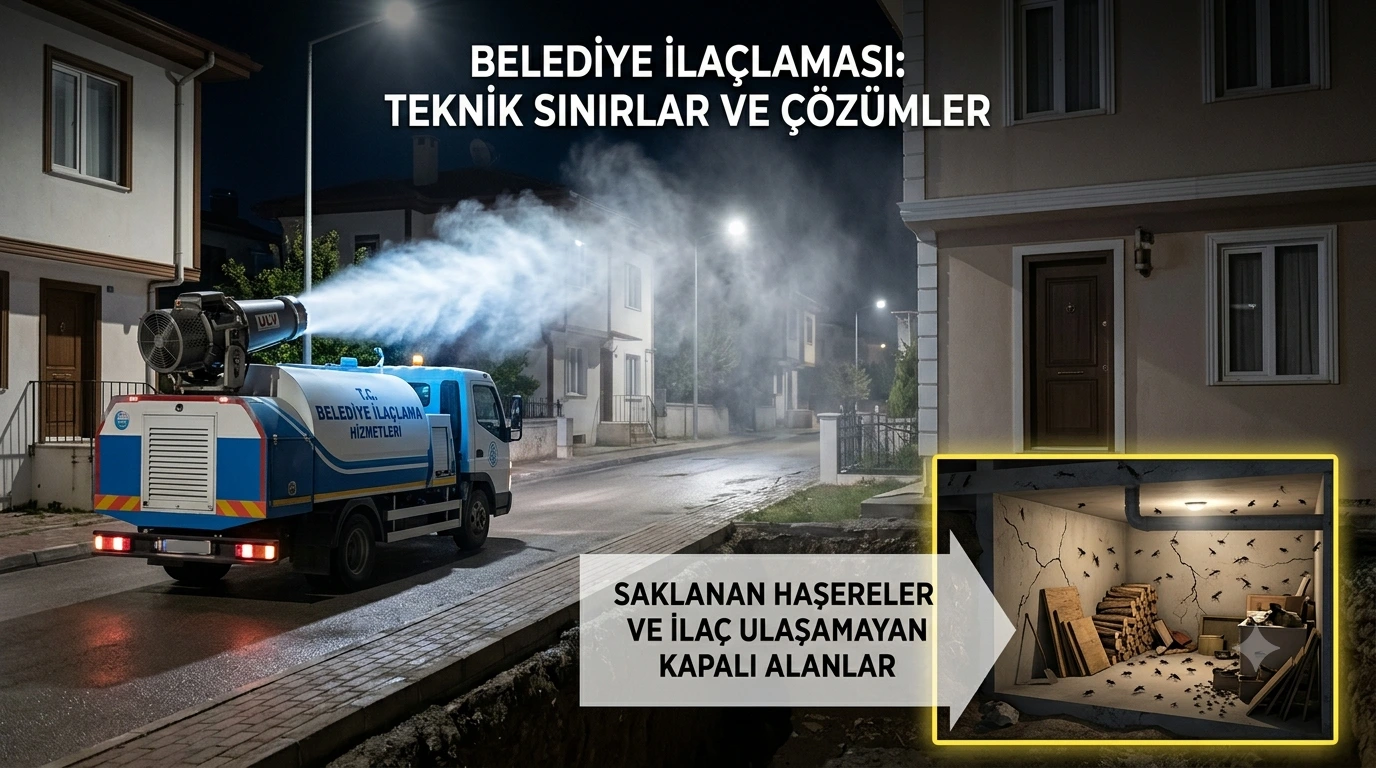
Street fogging is visible and valued, yet complaints persist when pests breed indoors or in sheltered microhabitats. Understanding coverage limits prevents false expectations and guides complementary measures.
Reason 1: The Truck Treats the Street, Not Your Interior
Closed windows and sealed rooms keep mist outside. Occupants who open windows too soon may also miss residual effect. Coordinate timing with residents.
Reason 2: Timing Mismatch
Adult mosquitoes peak at dusk and night. Daytime-only routes underperform. Align shifts with flight activity and weather (low wind).
Reason 3: Mosquitoes vs Flies Need Different Strategies
Flying mosquitoes respond to fine ULV aerosols; houseflies and sand flies often need source treatment in basements, shafts, and damp niches—not only street mist.
Reason 4: Missing Source Control
Stagnant water, drains, and organic waste rebuild populations after adulticide nights. Larviciding and sanitation must run with adult spraying.
Solution: Source Control Plus the Right Equipment
Combine mapped breeding-site work with adjustable ULV/mist blower fleets. Explore vehicle-mounted systems and request planning support via the quote form.
